Table of Contents
- What Is a Thangka Pendant?
- The Sacred Origins of Thangka Art
- What Does a Thangka Pendant Symbolize?
- Thangka Pendants and Traditional Chinese Metaphysics
- How to Choose the Right Thangka Pendant for You
- Wearing and Caring for Your Thangka Pendant
- FAQs
- Closing Thoughts

What Is a Thangka Pendant?
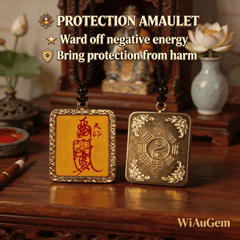
A thangka pendant is a wearable piece rooted in the ancient Tibetan tradition of thangka painting — sacred scroll art depicting Buddhist deities, mandalas, and protective symbols. Traditional thangkas are large cloth paintings displayed in temples and meditation spaces. A thangka pendant brings that same spiritual imagery into everyday life, worn close to the body as a personal talisman.
These are not decorative novelties. They carry centuries of intention. Each image, color, and symbol follows a precise iconographic tradition passed down through Buddhist lineages — making them deeply meaningful for seekers who want more than aesthetics in what they wear.
The Sacred Origins of Thangka Art
Thangka painting emerged in Tibet around the 11th century, drawing from Indian Buddhist art traditions that predate it by centuries. Monks and trained artists created these works as meditation aids and teaching tools, each piece requiring deep spiritual preparation before and during the painting process.
The word "thangka" comes from a Tibetan term meaning "recorded message" or "thing one unrolls." These scrolls were designed to be portable, allowing practitioners to carry sacred imagery as they traveled. That portability is, in many ways, the ancestor of the modern thangka pendant.
Authentic thangka art follows strict rules. The proportions of deities, the direction of gestures, the colors used for different qualities of energy — all are prescribed by sacred texts. This precision is what gives thangka imagery its spiritual authority.
What Does a Thangka Pendant Symbolize?
The meaning of a thangka pendant depends entirely on the image it carries. This is not a one-size-fits-all talisman. Each deity or symbol speaks to a specific area of life and energy.
Deities and Their Protective Meanings
Green Tara is among the most beloved figures in Tibetan Buddhism. She represents active compassion and swift protection. Seekers moving through health challenges, fear, or emotional turbulence are often drawn to her image. Green Tara pendants are associated with removing obstacles and offering refuge.
Avalokiteshvara (Guanyin) is the bodhisattva of compassion, revered across both Tibetan and Chinese Buddhist traditions. A pendant bearing this figure speaks to mercy, healing, and the relief of suffering. Within Chinese metaphysics, Guanyin's energy resonates with those seeking emotional balance and inner peace.
Manjushri carries the sword of wisdom and the lotus of enlightenment. His image is chosen by those seeking clarity in decisions, academic success, or sharper mental focus. If you feel scattered or are standing at an important crossroads, a Manjushri pendant brings discerning, grounded energy.
Vajrapani is the protector and guide of the Buddha's teachings. His fierce appearance is deliberate — he guards against negative forces and spiritual interference. Those who feel energetically vulnerable or are navigating difficult environments often seek his protection.
Padmasambhava (Guru Rinpoche) is the master who brought Vajrayana Buddhism to Tibet. His image is associated with powerful blessings, the removal of deep karmic obstacles, and spiritual empowerment. A pendant bearing his likeness is considered especially potent for those on a serious spiritual path.
Mandalas and Cosmic Order
Not every thangka pendant features a deity. Some carry mandala imagery — geometric representations of the cosmos and the mind's natural order. A mandala pendant is associated with wholeness, harmony, and the alignment of inner and outer worlds.
As many seekers navigate uncertainty around career direction, relationships, and personal reinvention in 2026, mandala pendants carry particular resonance. They serve as a visual anchor for the intention to return to center.
Thangka Pendants and Traditional Chinese Metaphysics
Thangka imagery originates in Tibetan Buddhism, but its energetic principles align naturally with Traditional Chinese Metaphysics. Both traditions understand the world as a field of energy — one that can be read, respected, and worked with intentionally.
In Chinese metaphysics, your BaZi chart — the Four Pillars of Destiny derived from your birth date and time — reveals your elemental strengths, weaknesses, and the energetic themes shaping your current life phase. A thangka pendant chosen in alignment with your BaZi can serve as daily energetic support for the areas where your chart shows the greatest need.
If your BaZi reading reveals a deficiency in Water energy and emotional sensitivity is a recurring challenge, a Green Tara or Guanyin pendant may complement the broader work of energy alignment. If your chart points to a period of mental pressure or decision fatigue, a Manjushri pendant speaks directly to that.
This is the approach at WiAuGem Celestial Institute — what you wear should reflect your personal energy blueprint, not just what looks appealing. Certified Grand Masters with decades of Traditional Chinese Metaphysics practice guide recommendations based on your individual chart, not generic advice.
You can begin with the free BaZi reading tool at wiaugem.com. Enter your birth details and receive a foundational reading — your element, life path, and the areas of life most active for you right now. From there, you can make a more informed choice about which protective imagery genuinely serves you.
How to Choose the Right Thangka Pendant for You
The most important question is not "which one looks beautiful?" It is "which energy do I need most right now?"
Here is a simple framework:
| Life Area | Recommended Thangka Figure |
|---|---|
| Protection from harm or negative energy | Vajrapani |
| Emotional healing and compassion | Green Tara or Guanyin |
| Clarity, decisions, and mental focus | Manjushri |
| Deep spiritual practice and karmic clearing | Padmasambhava |
| Overall harmony and inner balance | Mandala imagery |
| Wealth and removing obstacles to prosperity | Jambhala (wealth deity) |
Beyond the image, consider the pendant's material. Thangka pendants are often set in copper, silver, or gold-toned metal, sometimes inlaid with turquoise or coral — materials that carry their own energetic properties in both Tibetan and Chinese traditions.
If you are unsure which figure speaks to your current life phase, a consultation with a certified Grand Master can bring real clarity. At WiAuGem, BaZi interpretation services are available to help you understand your energy blueprint before making any significant choice about what to wear or how to align your environment.
Wearing and Caring for Your Thangka Pendant
A thangka pendant is a sacred object. How you wear and care for it reflects your relationship with its meaning.
Wearing it: Most traditions suggest wearing the pendant against the skin or close to the heart. Where possible, avoid wearing it in environments that are deliberately negative or chaotic. Treat it as you would any object of reverence — with awareness.
Cleansing it: Periodically clearing your pendant of accumulated energy is a common practice. Simple methods include leaving it in moonlight overnight, passing it through incense smoke, or holding it while reciting a short mantra or intention. The specific method matters less than the sincerity behind it.
Storing it: When not wearing your pendant, keep it somewhere clean and respectful. A small pouch or dedicated tray is enough — avoid leaving it loose among unrelated items.
Blessing and activation: If you have access to a qualified practitioner, having your pendant blessed adds a layer of intentional energy to the object. At WiAuGem, scripture recitation ceremonies are available for seekers who want their sacred pieces formally consecrated.
FAQs
What is the difference between a thangka painting and a thangka pendant? A traditional thangka is a large painted scroll used in Tibetan Buddhist temples and meditation practice. A thangka pendant reproduces the same sacred imagery in miniature form, allowing you to carry its protective energy throughout the day.
Do you need to be Buddhist to wear a thangka pendant? No. Seekers from many different spiritual backgrounds wear thangka pendants as protective talismans or energy supports. The imagery carries meaning regardless of formal religious affiliation. What matters most is your sincerity and your understanding of what the symbol represents.
How do I know which thangka pendant is right for my energy? The most grounded approach is to first understand your own energy blueprint. A BaZi reading reveals your elemental makeup and the life themes most active for you right now. From there, you can match the protective deity or symbol to your actual needs. WiAuGem offers a free BaZi reading tool at wiaugem.com as a starting point.
Can a thangka pendant be worn alongside other gemstone jewelry? Yes, though it is worth being intentional about combinations. In Traditional Chinese Metaphysics, different stones and symbols carry different elemental energies. A certified Grand Master can advise on pairings that support rather than conflict with each other, based on your personal chart.
Is there a specific side of the body for wearing a thangka pendant? Thangka pendants are typically worn as necklaces rather than bracelets, resting near the heart center. There are no strict universal rules about placement, though some practitioners follow guidance from their teachers. When in doubt, wearing it centered on the body is a respectful and safe choice.
How often should I cleanse my thangka pendant? There is no fixed schedule. Many seekers cleanse their sacred objects monthly, often aligned with the new or full moon. If you have been through a particularly stressful period or the pendant feels heavy, cleansing it sooner makes sense.
Can I give a thangka pendant as a gift? Yes, and it is a thoughtful one. The key is choosing the right figure for the recipient's needs rather than selecting one at random. If you know their birth details, a BaZi reading can help identify which protective energy would serve them most.
Closing Thoughts
A thangka pendant is a quiet but meaningful choice. It connects you to a living tradition of sacred art and intentional protection — worn not as decoration, but as a daily reminder of the energy you are cultivating.
With so many seekers navigating real transitions in 2026 — career shifts, relationship changes, moves, health concerns — carrying something intentional and grounded is not a small thing. It is a way of affirming, each day, that your energy matters and deserves care.
If you are ready to go deeper, start with your own energy blueprint. The free BaZi reading tool at wiaugem.com gives you a personalized foundation in minutes. From there, the certified Grand Masters at WiAuGem Celestial Institute can guide you toward the specific practices, jewelry, and ceremonial support that align with where you are — and where you want to go.
Ancient wisdom. Modern clarity. Your destiny, aligned.